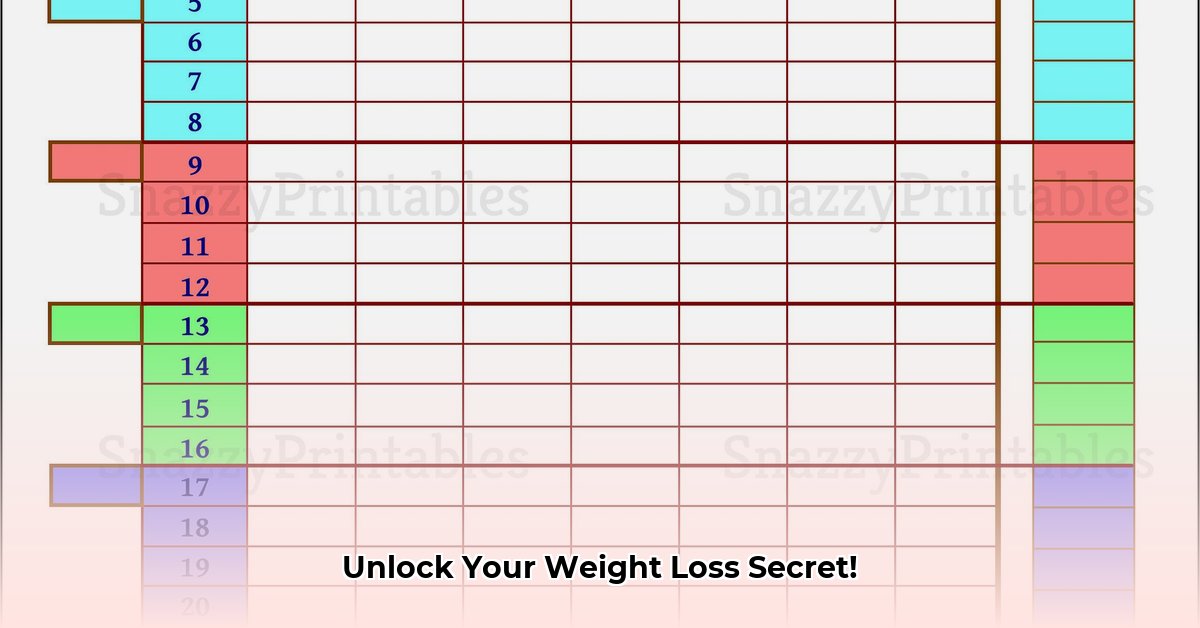
Why Body Measurements Are Your Secret Weapon for Weight Loss
Tired of the scale dictating your self-worth? Weight alone doesn't tell the whole story. Muscle weighs more than fat, and water retention can skew results. Tracking your body measurements provides a more comprehensive understanding of your progress, revealing the true transformation occurring within your body. This empowers you to make informed adjustments to your fitness plan to improve results.
How to Create and Use Your Personal Measurement Tracker
This simple, yet powerful system will help you monitor your progress effectively:
Step 1: Choose Your Key Measurements
Don't just weigh yourself. Focus on these key areas:
- Waist Circumference: A vital indicator of visceral fat (the unhealthy belly fat).
- Hip Circumference: Tracks changes in your lower body shape.
- Thigh Circumference: Monitors changes in leg muscle mass and fat.
- Bust/Chest Circumference (Optional): Useful for women to track upper body changes.
- Arm Circumference (Optional): Helpful for tracking overall changes in some individuals.
Select the measurements most relevant to your personal goals.
Step 2: Gather Your Supplies
You'll need:
- A flexible tape measure (ensure it doesn't stretch for accuracy).
- A measurement sheet (a spreadsheet, printable chart, or fitness app).
Step 3: Master Consistent Measurement Techniques
Accuracy is paramount. Follow these guidelines:
- Timing: Measure at the same time each day (ideally, mornings before eating or exercise).
- Technique: Use the same method each time. Stand tall, relax your muscles, and measure at consistent points. Take multiple measurements and average them for greater precision.
- Posture: Maintain good posture to avoid skewed results.
Step 4: Establish Your Measurement Schedule
- Active Weight Loss: Measure every 2-4 weeks to monitor progress and adjust your strategy.
- Maintenance: Measure monthly to maintain your achievements.
Step 5: Meticulously Record Your Data
Document each measurement, date, and any influencing factors (diet changes, new workouts). This data visualization will motivate you.
Deciphering Your Results: Understanding the Numbers
Remember, weight loss isn't always linear. Minor fluctuations are normal. Focus on the overall trend. Are your measurements generally decreasing? That's progress! Even if your weight stays the same or slightly increases, decreasing measurements indicate you're building muscle while losing fat—a significant win!
Isn't it empowering to see your body composition changing, not just a number on the scale? This is the power of body measurement tracking.
Potential Challenges & How to Overcome Them
- Inconsistent Measurements: Use clear diagrams or photos on your sheet showing precise measurement locations to minimize errors.
- Misinterpreting Data: Muscle weighs more than fat. Decreasing measurements despite stable or slightly increased weight show positive body recomposition.
- Staying Motivated: Partner with a friend or join a weight loss support group. Use your measurement sheet to track your success and celebrate milestones. Reward yourself for your hard work! Remember, every little step counts.
What strategies have you found most helpful in maintaining your motivation during your weight loss journey? Sharing with others can build a supportive community.
Your Measurement Sheet: A Journey of Transformation
Your measurement sheet isn't just numbers; it's a visual representation of your dedication and hard work. Celebrate your achievements, adjust your strategy based on your progress, and stay motivated throughout your weight loss journey. It's a powerful tool for achieving lasting results. Start tracking today and witness your transformation!
Ready to unlock your weight loss success? Grab that measuring tape and begin your journey today!